How to Identify APP License Plates: Spot Illegal Features & Avoid Fines
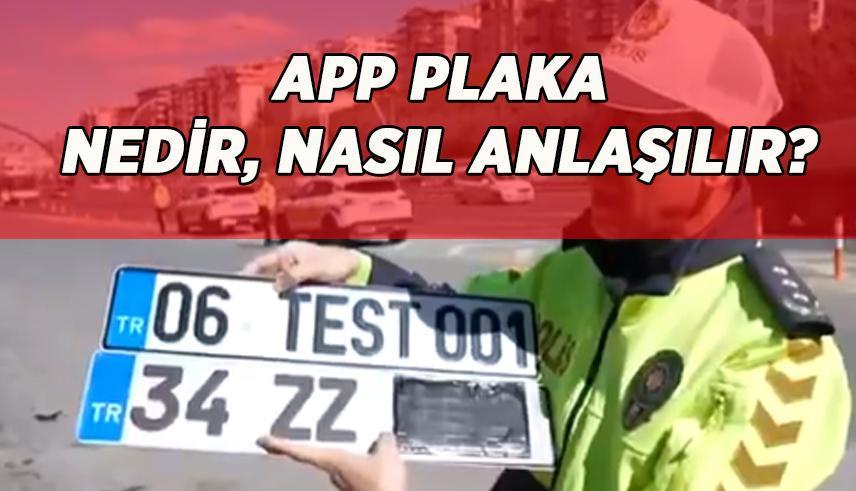
In the contemporary automotive world, car owners often seek ways to personalize their vehicles, and sometimes this extends to license plates. The desire for a unique, more aesthetically pleasing look has led to the rise of APP (Avrupa Pres Plaka, or European Pressed Plate) license plates. While these plates might appear stylish and give a car a more aggressive stance, a significant number of them fail to meet legal standards in many countries, particularly in Turkey. This non-compliance can lead to serious consequences, including failing mandatory vehicle inspections and incurring substantial traffic fines.
Understanding the nuances of official versus non-standard plates is paramount for every car owner. The critical question for many is: "App Plaka Nasıl Belli Olur?" – How can one truly distinguish an APP plate from a legal one? This comprehensive guide will walk you through the tell-tale signs of an illegal APP plate, help you understand the risks, and provide actionable advice to ensure your vehicle remains compliant and you avoid unnecessary penalties.
What Exactly is an APP Plaka and Why the Confusion?
The term "APP Plaka," often an abbreviation for "Avrupa Pres Plaka" (European Pressed Plate) or sometimes "Amerikan Press Plaka" (American Press Plate), refers to a type of license plate that deviates from the standard government-issued specifications. These plates are typically characterized by their distinctive appearance: thicker, bolder characters and numbers, sometimes employing different fonts, and often featuring a more pronounced or altered border frame. The primary motivation behind opting for an APP plate is often purely aesthetic, with owners aiming to bestow a more customized, aggressive, or "premium" look upon their vehicles.
However, the appeal of these customized plates often clashes directly with established traffic regulations. In Turkey, for instance, the Karayolları Trafik Yönetmeliği (Highway Traffic Regulations) strictly dictates every aspect of a license plate: its dimensions, color, the exact font type, size, and spacing of characters, and the placement of official seals. APP plates, by their very nature of customization, frequently step outside these rigid guidelines. This makes them legally non-compliant, often classified as "fake" or "non-standard," and consequently, illegal for use on public roads. The confusion arises because while they look like license plates and often carry what *appear* to be correct numbers, their production method and aesthetic variations render them invalid in the eyes of the law. For a deeper dive into the legal pitfalls, read our article:
APP Plaka: Why Your Custom Plate Might Be Illegal and Cause Fines.
Crucial Indicators: How to Spot an Illegal APP Plaka (App Plaka Nasıl Belli Olur)
Distinguishing a legal, standard plate from a non-compliant APP plate requires keen observation of several key features. If you're asking, "App Plaka Nasıl Belli Olur?", pay close attention to these critical details:
The Distinctive Font and Character Thickness
One of the most immediate visual cues of an APP plate lies in its typography. Standard, legally issued license plates feature characters and numbers that are thin, uniform, and adhere to a very specific, approved font. They have clean, straight lines and a consistent appearance across all characters. APP plates, on the other hand, frequently employ fonts that are noticeably thicker, bolder, or more "bulky." These might be referred to colloquially as "Beşiktaş print," "French cut," or simply "kalın font" (thick font). The letters and numbers on an APP plate often appear wider, more pronounced, and sometimes even have slightly different spacing than their legal counterparts. This deviation, however subtle it might seem, is a direct violation of regulatory standards.
Absence or Falsification of Official Seals
This is arguably the most critical indicator when trying to determine "App Plaka Nasıl Belli Olur." Legally produced license plates bear official, embossed seals from the relevant authorities, such as the Şoförler Odası (Chamber of Drivers) and the Darphane (Mint) in Turkey. These seals are not merely printed; they are stamped onto the plate material, creating a raised or depressed impression that is tactile. The vast majority of APP plates either lack these official seals entirely, or they feature counterfeit seals that are merely laser-printed onto the surface. A laser-printed seal will feel flat and can often be easily scratched off, unlike a genuine, embedded stamp. Always physically inspect the plate for these authentic, textured seals.
The Blue TR Strip: Integrated vs. Applied
The blue "TR" strip located on the left side of European-style license plates is another crucial differentiator. On a standard, legal plate, this blue strip is an integral part of the plate's manufacturing process. It is seamlessly integrated into the plate material and features distinctive wavy holograms embedded within its surface, visible when tilted against the light. These holograms are security features designed to prevent counterfeiting. With APP plates, this blue strip is frequently a mere sticker applied to the plate. You might notice its edges, or its color might appear slightly off – either too dark or too light – compared to official standards. Crucially, these sticker strips often lack the embedded holograms or feature poor-quality imitations.
Plate Border Frame Irregularities
Standard license plates are typically framed by a thin, consistent black border line that neatly encircles the plate's perimeter. This border is uniform in thickness and perfectly straight. Many APP plates, in their quest for a customized look, either completely omit this border, feature a border that is significantly thicker or uneven, or display a border that is inconsistent in its application. Any deviation from the standard thin, sharp, and consistent black frame is a strong indicator of a non-standard plate.
Surface Quality, Reflectivity, and Visibility
Official license plates are manufactured with a specialized reflective surface. This reflectivity is not just for aesthetics; it's a critical safety feature that ensures the plate remains clearly visible under various lighting conditions, especially at night. This reflective quality is essential for law enforcement, speed cameras (radars), and automated number plate recognition (ANPR) systems (like MOBESE in Turkey) to accurately read the plate numbers. Many APP plates, especially those produced unofficially ("merdiven altı" – under-the-counter), often have inferior surface quality. Their reflectivity might be poor, inconsistent, or they might even have a matte finish that hinders night visibility. This compromise in reflectivity can make the plate difficult to read by both human observers and automated systems, posing a significant risk for identification and enforcement.
The Steep Consequences of Non-Compliant Plates
The decision to use an APP plate, driven by aesthetic preferences, can lead to a cascade of unwelcome and costly consequences. The regulatory bodies take deviations from license plate standards very seriously, as these plates are fundamental for vehicle identification, law enforcement, and public safety.
Failing Vehicle Inspections (TÜVTÜRK)
One of the most immediate repercussions of using an APP plate is failing mandatory vehicle inspections, such as those conducted by TÜVTÜRK in Turkey. Non-standard font characters, the absence of official seals, or any other feature that makes a plate non-compliant is considered a "major defect" (ağır kusur). If your vehicle is presented for inspection with an APP plate, it will be rejected. This means you will not only incur the cost and time of the initial inspection but will also be required to replace the illegal plate with a standard one and then undergo a re-inspection, adding further expense and inconvenience.
Incurring Traffic Fines and Penalties
Law enforcement agencies are vigilant about identifying and penalizing vehicles with non-compliant license plates. If you are caught driving with an APP plate, you will face administrative monetary fines. For example, the reference mentions the "2026 yılı güncel trafik cezası tarifesi," indicating that fines are regularly updated and can be substantial. Beyond the financial penalty, officers have the authority to demand that the plate be immediately replaced with a standard, compliant one. Any modification that hinders the readability of a license plate is considered a serious offense, underscoring the legal imperative for clarity and adherence to standards.
Broader Legal and Safety Implications
The consequences extend beyond just fines and inspection failures. In the event of an accident, if your vehicle’s plate is deemed illegal, it could potentially complicate insurance claims or even raise questions about the vehicle's legal standing. Furthermore, plates with poor reflectivity or non-standard fonts can hinder law enforcement's ability to identify vehicles in hit-and-run incidents or criminal investigations. This makes the use of APP plates not just a regulatory issue, but also a matter of public safety and legal accountability. To ensure you're fully informed about legal compliance, check out
Is Your Car's Plate APP? Crucial Signs to Check for Legal Compliance.
What to Do If You Suspect Your Plate is an APP (or You're Buying a Used Car)
If you currently own a vehicle and, after reading this guide, suspect that your license plates might be non-compliant APP plates, or if you are in the process of purchasing a used car, it’s crucial to take immediate and decisive action. Proactivity can save you significant time, money, and legal headaches down the road.
Verification Process
For existing vehicle owners, the best course of action is to verify the authenticity of your plates with official authorities. Visit your nearest notary public (noter) or an authorized traffic registration unit (yetkili trafik tescil birimi). These offices can cross-reference your plate numbers with official records and physically inspect your plates to confirm their compliance with current regulations. This step provides an official confirmation and peace of mind.
If you are buying a used car, make plate authenticity an essential part of your pre-purchase inspection. Do not simply take the seller's word for it. Conduct your own visual checks based on the criteria outlined above, and ideally, insist on visiting a notary or traffic registration unit with the seller to verify the plates before finalizing the sale. An illegal plate on a newly purchased car will immediately become your responsibility and burden.
Replacing an Illegal Plate
Should you discover that your plates are indeed non-compliant APP plates, the next step is to initiate the process of obtaining new, standard plates. This typically involves applying through official channels, such as the local Chamber of Drivers (Şoförler Odası) or the relevant traffic registration department. You will be issued brand-new plates that adhere to all current regulations. It is paramount to complete this replacement *before* your next vehicle inspection or before you encounter law enforcement on the road, thereby mitigating the risk of fines and inspection failures. Replacing illegal plates promptly is not just about avoiding penalties; it’s about ensuring your vehicle is fully compliant with the law and contributes to overall road safety and order.
Conclusion
While the allure of a custom look for your vehicle is understandable, the choice of an APP license plate often comes with significant legal and financial risks. The question "App Plaka Nasıl Belli Olur?" is more than just a curiosity; it's a vital piece of knowledge for every responsible car owner. By understanding the tell-tale signs – from character thickness and the presence of official seals to the blue TR strip, border frame, and surface reflectivity – you can confidently identify non-compliant plates. Ignoring these details can lead to failed inspections, hefty traffic fines, and even broader legal complications. Prioritize legal compliance and road safety over aesthetics. Take the time to inspect your vehicle's plates today, and if in doubt, seek official verification to ensure peace of mind and hassle-free driving.