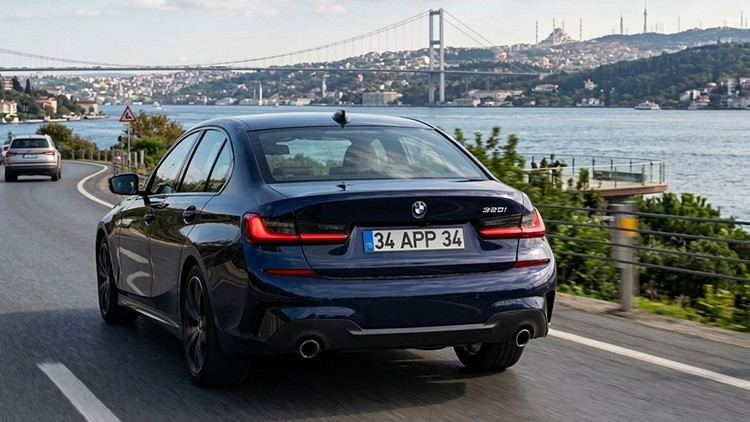
Is Your Car's Plate APP? Crucial Signs to Check for Legal Compliance
In the world of automotive aesthetics, many car owners seek ways to personalize their vehicles, and one popular trend involves opting for "APP plates" (often short for Avrupa Pres Plaka – European Press Plate, or sometimes Amerikan Press Plaka – American Press Plate). These custom-style license plates, while visually striking with their thicker fonts and distinct appearance, often fall outside the strict legal standards set by traffic regulations. This discrepancy can lead to significant problems, including hefty fines and failed vehicle inspections. For anyone asking, "App Plaka Nasıl Belli Olur?" – or simply, "How do I know if my license plate is legal?" – this comprehensive guide will equip you with the crucial signs to look for.Understanding APP Plates: Aesthetics vs. Legality
APP plates are essentially non-standard license plates characterized by their bold, often thicker, and sometimes differently styled alphanumeric characters compared to the official, government-issued plates. They are typically pressed to give a more pronounced, three-dimensional look. The appeal often lies in their perceived "sportier" or more "aggressive" aesthetic, which aligns with modern vehicle customization trends. However, the allure of a unique plate often overshadows its legal standing. In many jurisdictions, including Turkey, vehicle registration plates are subject to stringent regulations concerning their size, font, color, reflective properties, and the presence of specific security features. Any deviation from these prescribed standards renders the plate illegal, regardless of its appearance. This means that while an APP plate might look "cooler," it's often considered a fake or non-standard plate by authorities, opening the door to legal ramifications.Crucial Signs: How to Spot an Illegal APP Plate (App Plaka Nasıl Belli Olur?)
Identifying an illegal APP plate requires a keen eye for detail. Here are the key indicators you should check to determine if a plate adheres to legal standards or if it's a problematic APP variant:Font Style and Thickness
The most immediate differentiator is the typography. Standard, legal license plates feature a specific, thin, and uniform font that is easy to read and consistent across all official plates. APP plates, conversely, often use bolder, wider fonts – sometimes referred to as "Beşiktaş print" or "French cut" styles in local parlance – where letters and numbers appear significantly fatter and more pronounced. If the characters on your plate look unusually thick or stylized, it’s a strong indicator of an APP plate.Absence or Falsification of Official Seals
This is arguably the most critical sign. Legally issued plates carry official seals from the relevant authorities, such as the Driver's Chamber (Şoförler Odası) and the Turkish Mint (Darphane). These are physical seals embossed or embedded into the plate. Many APP plates either completely lack these essential seals, or they feature counterfeit seals that are merely laser-printed onto the surface rather than being genuine, physical markings. Always inspect for the presence and authenticity of these official seals. A missing or fake seal is a definitive sign of an illegal plate.The Blue TR Strip and Holograms
On the left side of a legal Turkish license plate, there's a blue strip containing the letters "TR" and usually some wavy holographic elements. This blue strip should be an integral part of the plate's manufacturing process, seamlessly integrated into the plate material. With APP plates, this strip might sometimes be a sticker applied *onto* the plate, or its color might appear significantly darker or lighter than standard. Furthermore, the wavy holograms, which are security features, might be absent, blurry, or less distinct on non-standard plates.Plate Border Frame
Official license plates have a thin, black border line that encircles the entire plate. This border is a consistent feature designed for aesthetic uniformity and readability. Some APP plate designs choose to eliminate this border entirely for a 'frameless' look, while others might feature a border that is unusually thick or poorly defined. Any deviation from the standard thin black frame should raise a red flag.Surface Quality and Reflectivity
Legal license plates are manufactured with a specific reflective surface designed to ensure readability under various lighting conditions, including at night, and by automated systems like speed cameras (radar/mobese). This reflectivity is crucial for law enforcement and road safety. Illegally produced APP plates, often made with lower-quality materials and production processes, may have inferior reflective properties. This can lead to difficulties in reading the plate, especially in low light, potentially causing issues with automated traffic enforcement systems. A dull or inconsistently reflective surface is a warning sign.For more detailed information on specific features to look out for, you might find this article helpful: How to Identify APP License Plates: Spot Illegal Features & Avoid Fines.